

Nicola Nannini: between light and shadow, symbolism and rational rigor
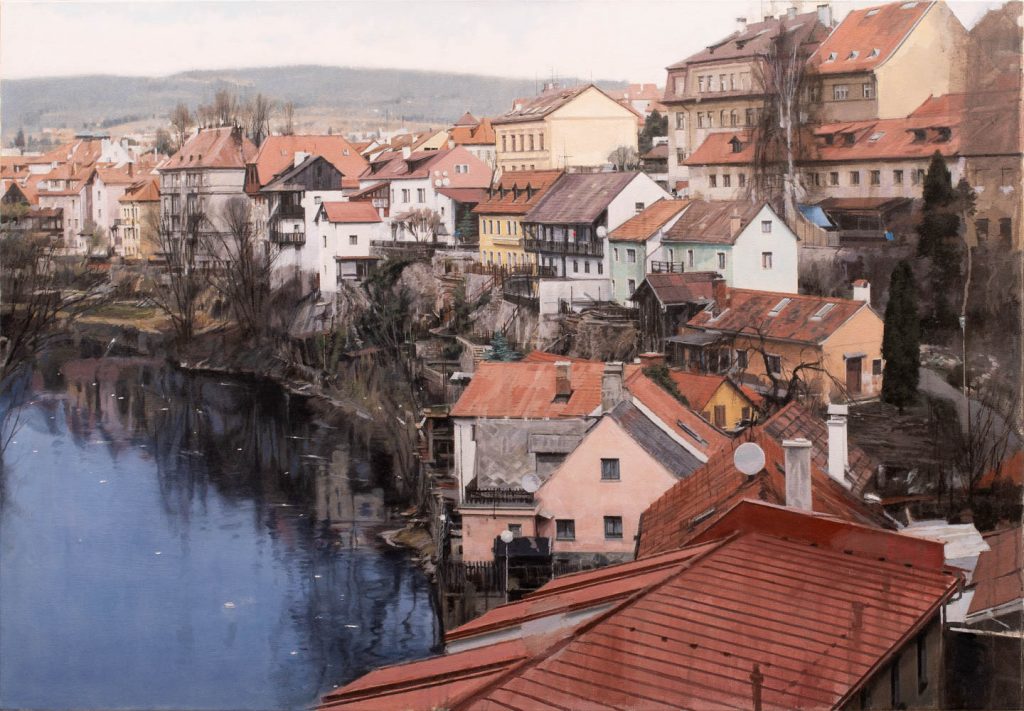
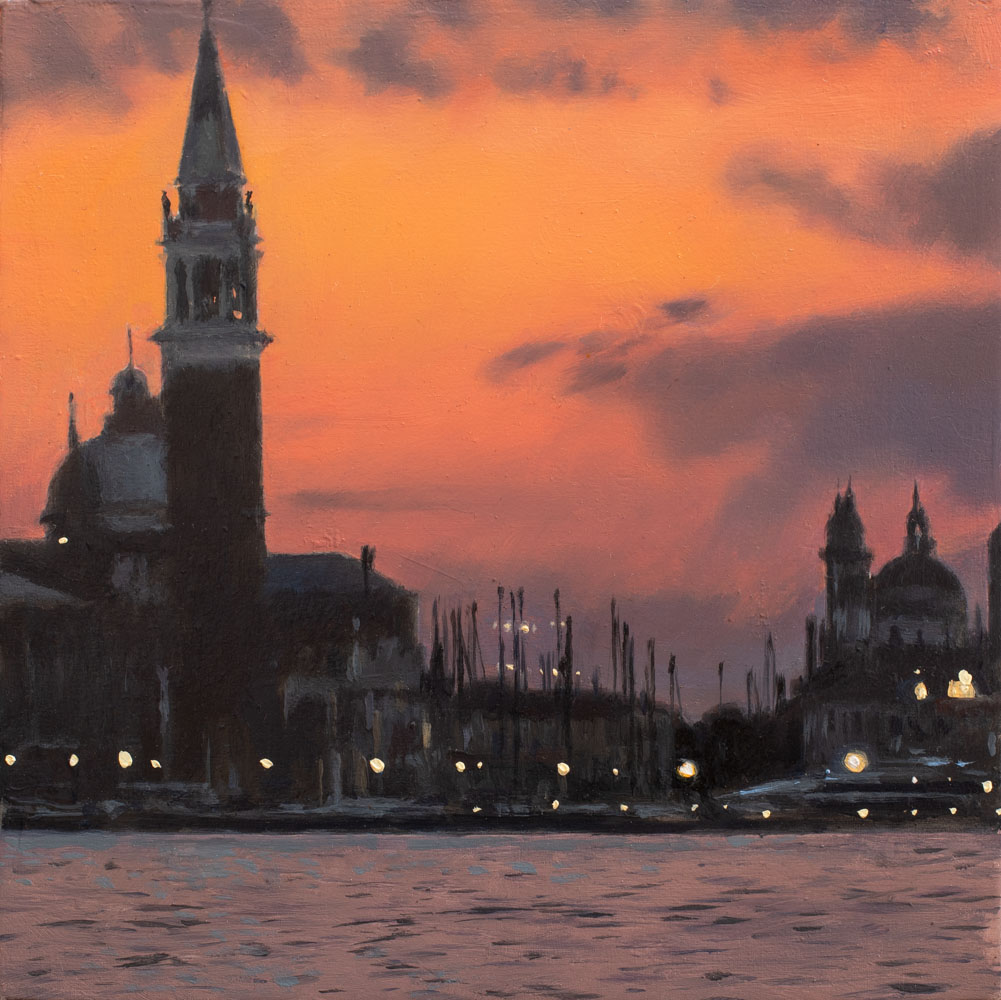
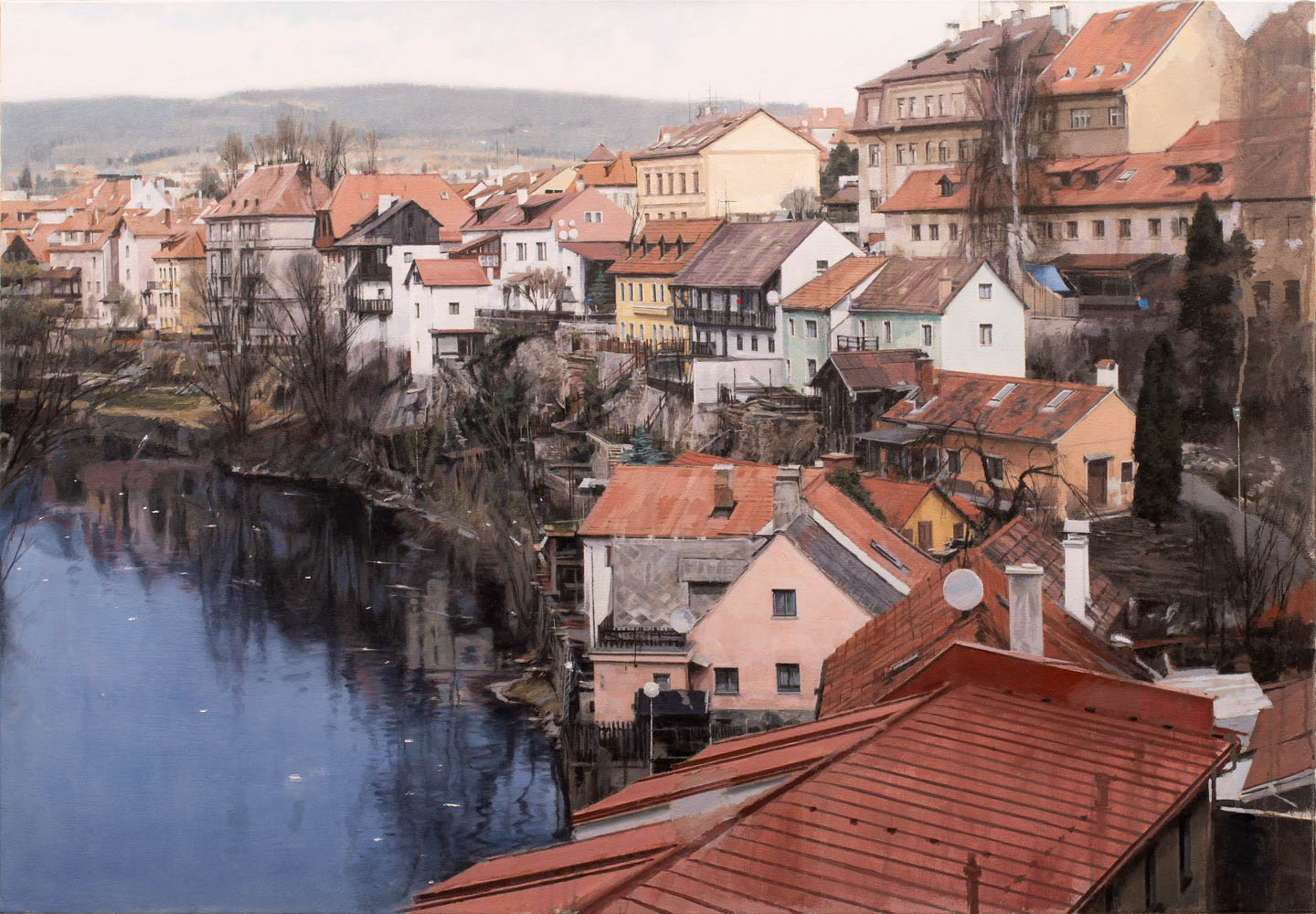
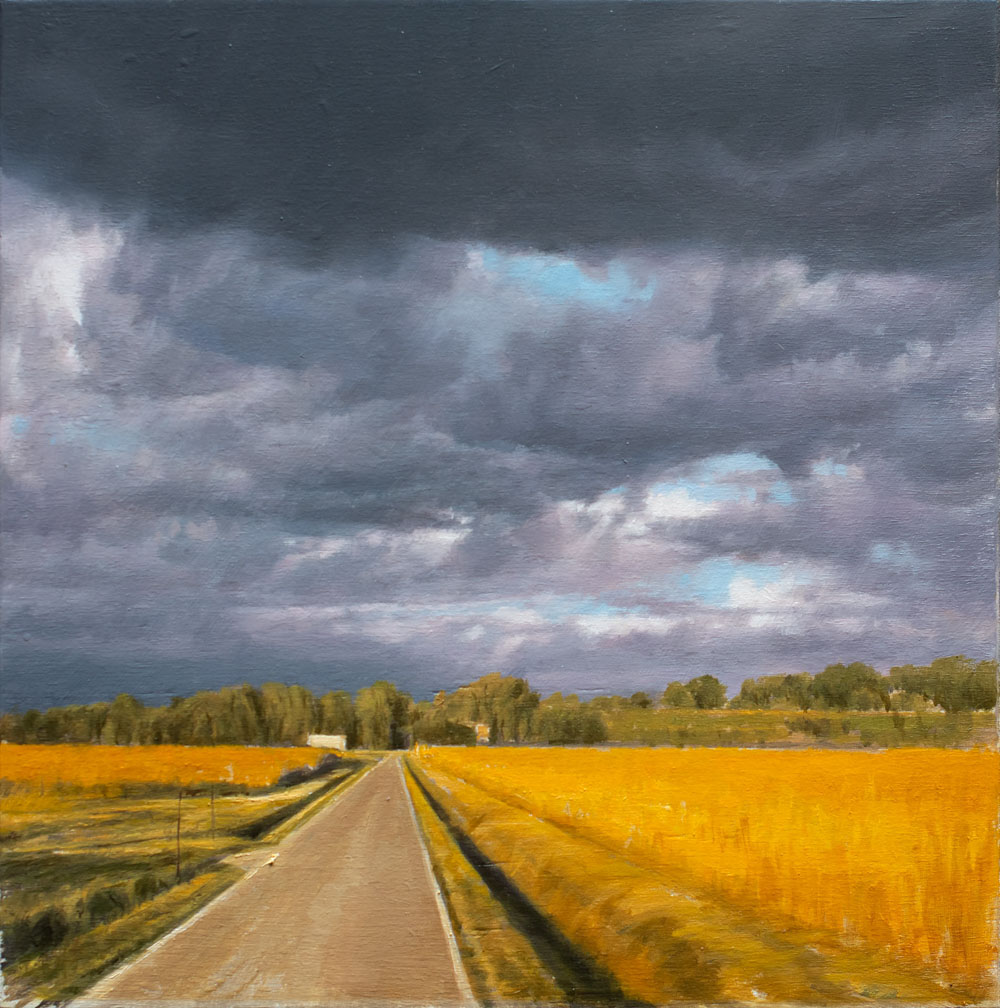
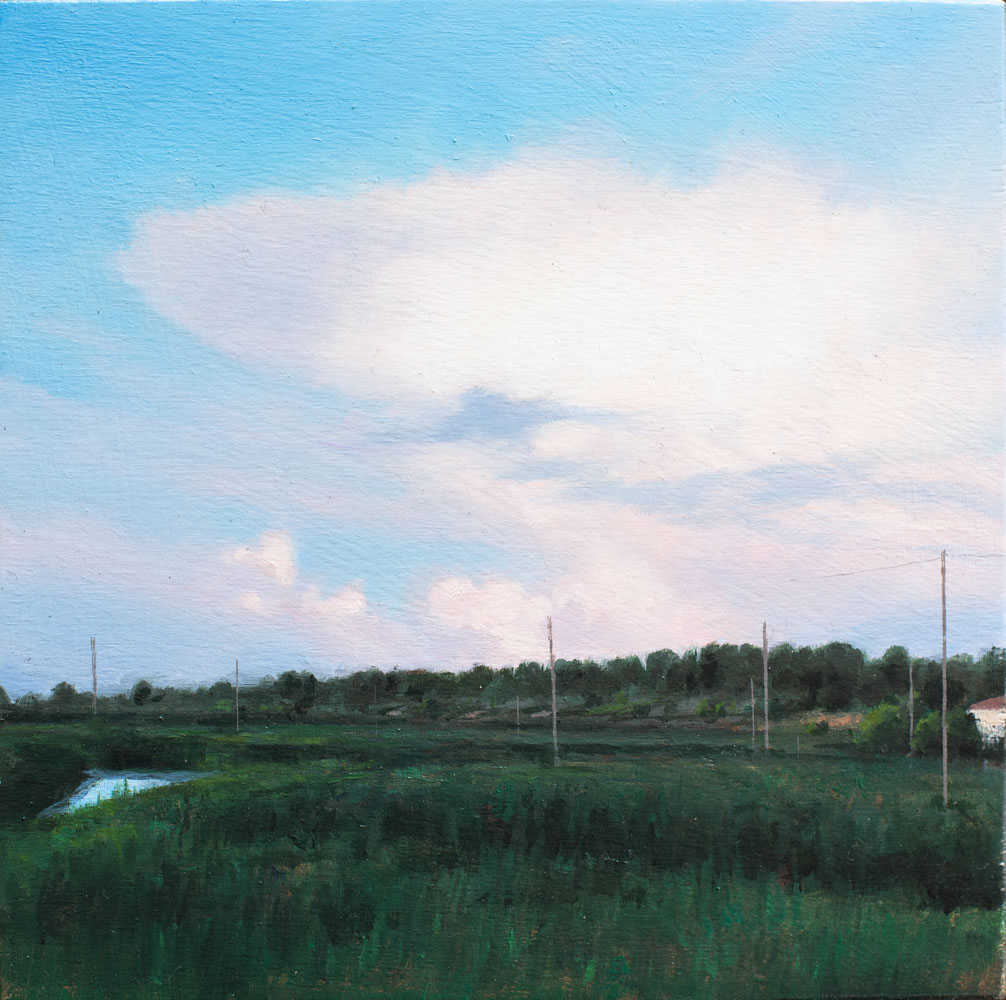
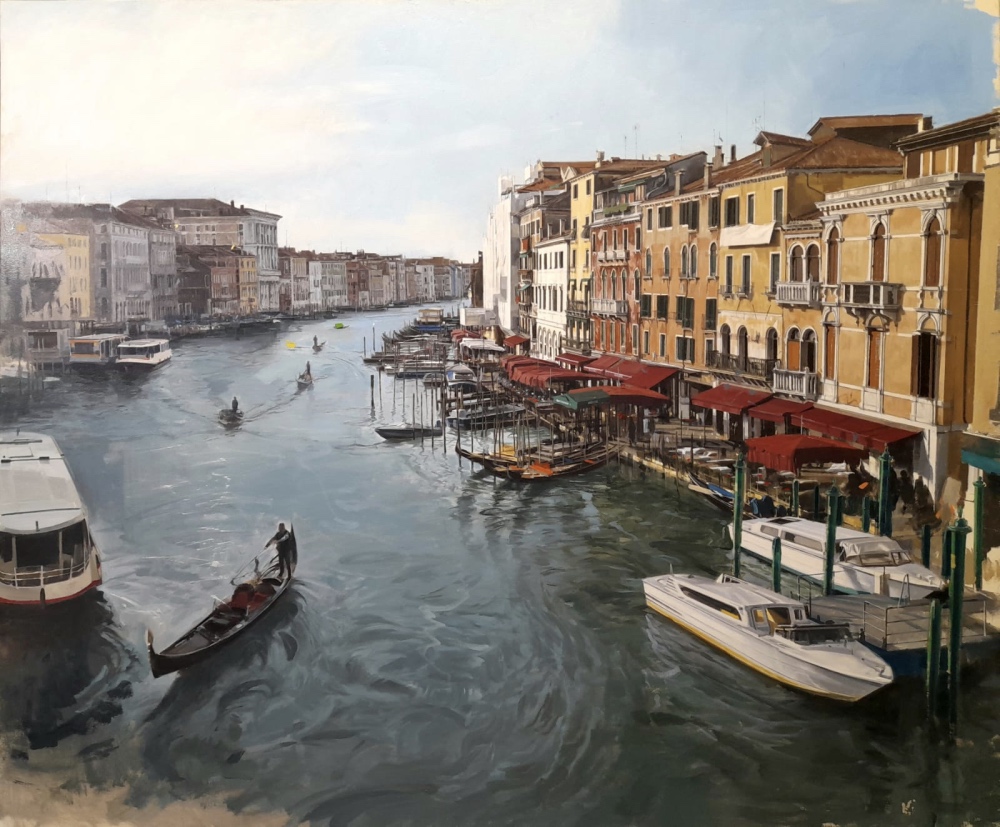
An artist with a seductive painting style, deeply connected to the great figurative tradition, Nicola Nannini develops thematic cycles ranging from the cataloguing of human and urban typologies to broader and more lyrical landscapes. His research unfolds through a conscious ambivalence, almost contradictory, between symbolist (or romantic) impulses on one side and rationalistic aspirations on the other, driven by a desire to lucidly catalogue the surrounding environment and its distinctive features.
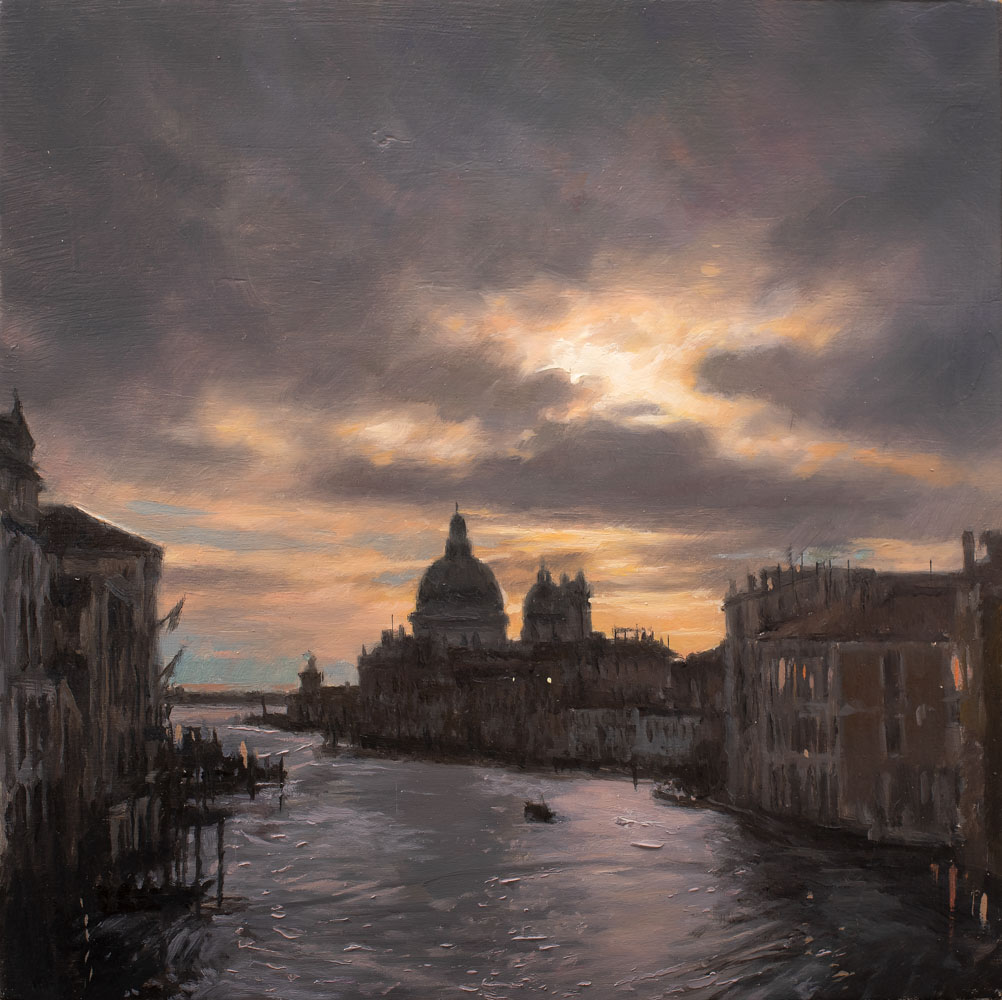
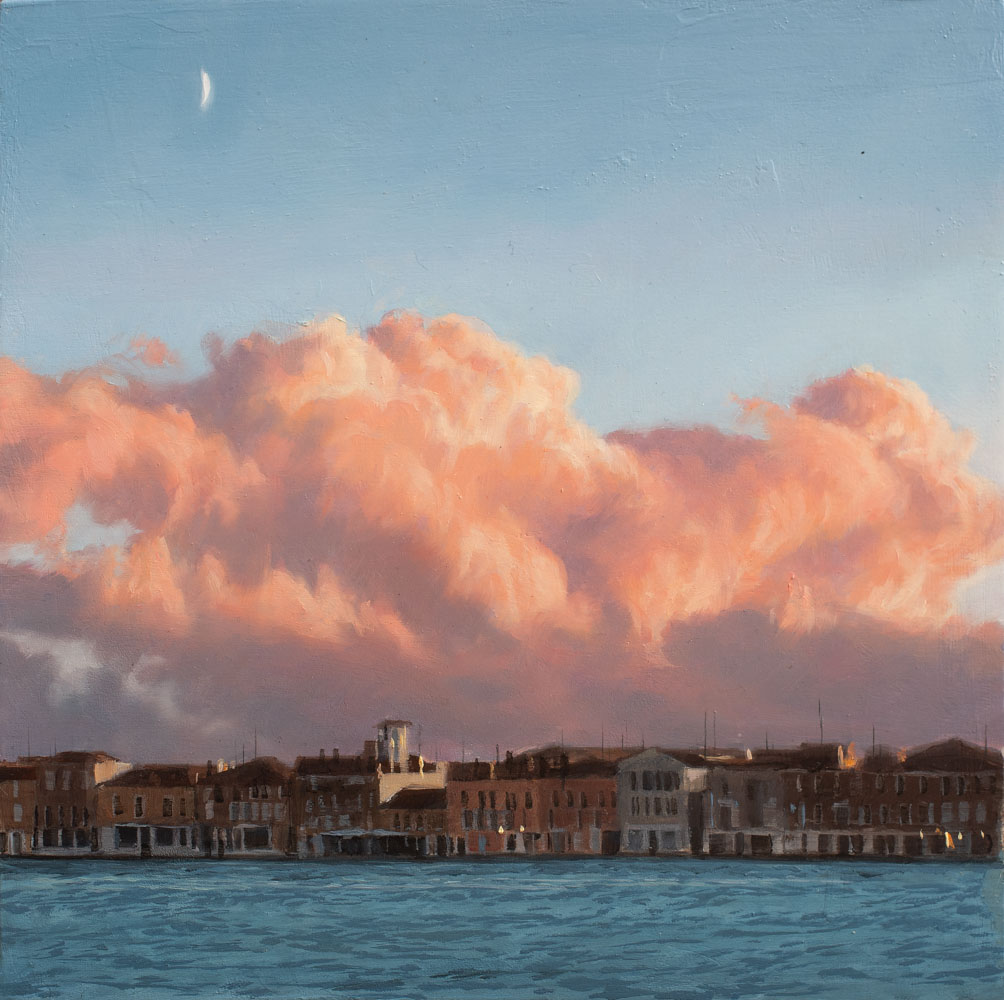
Night is one of the central themes of his work, as it is within darkness that the contrasts he most cherishes are intensified: the tension between light and shadow, between sharp detail and blurred brushwork, and between the real and the artificial. In this suspended dimension, reality becomes charged with poetic intensity and introspection.
The art of Nicola Nannini
Nannini’s painting is rooted in a constant dialogue with the Italian and European artistic tradition, absorbed through direct study of the works of the great Masters. The techniques of painting, drawing, and printmaking merge into a personal language where formal rigor coexists with a strong atmospheric sensitivity.
His thematic cycles reflect a research practice that alternates between analysis and lyricism, structure and emotional suggestion. The urban and human environment is observed with an analytical yet poetic gaze, generating images that oscillate between rational cataloguing and symbolic vision.
Who is Nicola Nannini
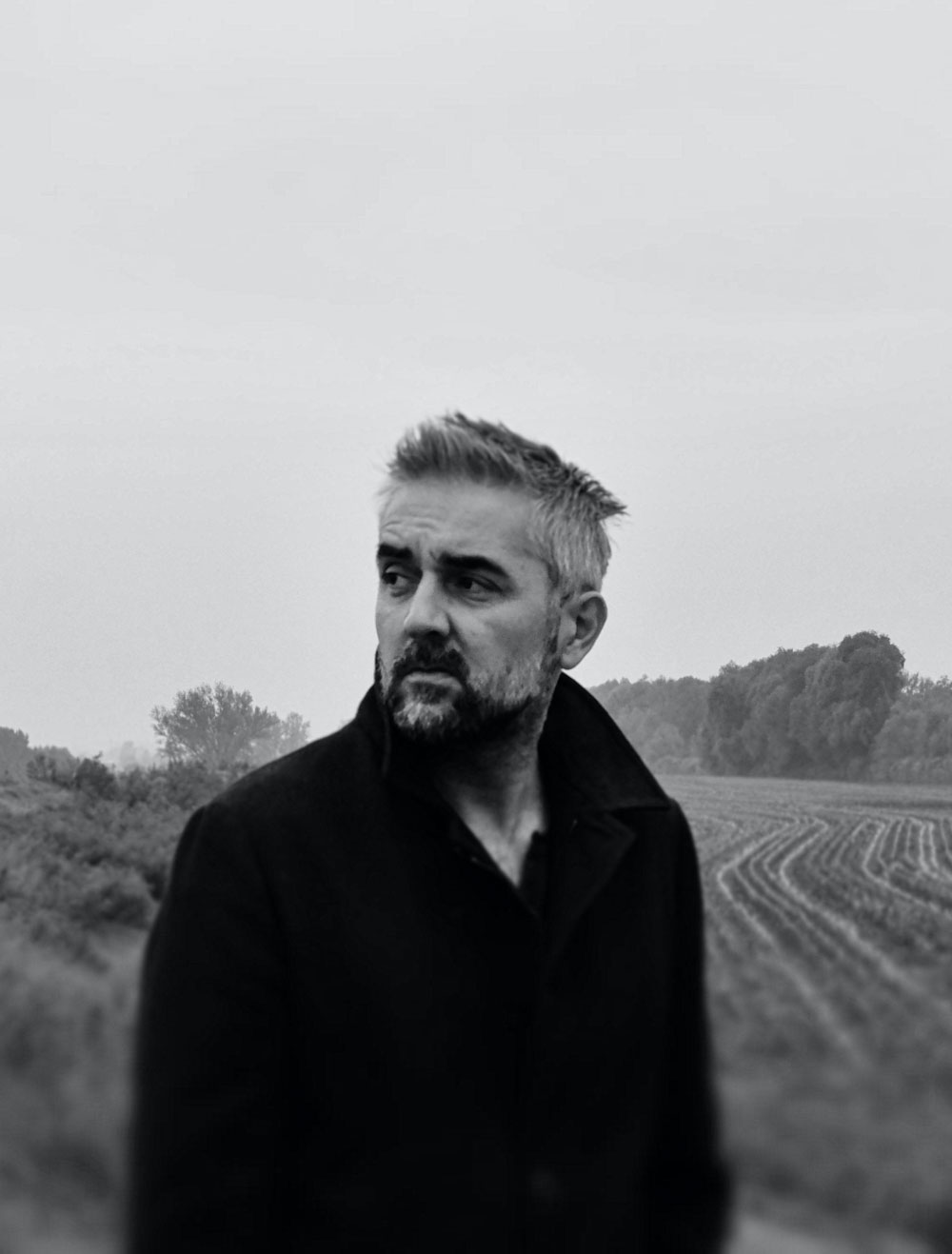
Nicola Nannini was born in Bologna in 1972. After classical studies, he graduated with highest honors from the Academy of Fine Arts in Bologna. From 1994 to 2018, he taught drawing and figure at the School of Artistic Craftsmanship in Cento, and since the early 2000s he has been teaching painting at the Cignaroli Academy in Verona.
After completing his formal education, he continued his training independently through an in-depth engagement with the great masters of Italian and European art, integrating into his work a constant dialogue with his cultural and artistic background.
He has been the protagonist of numerous solo and group exhibitions in Italy and abroad, exhibiting in private galleries, public museums, and foundations, and has been the subject of several critical publications.
He lives and works between Bologna and Vicenza.