


L’orMa: Contemporary Sculpture, Paper and Reflections on Progress
The reflection on the unstoppable advancement of contemporary progress lies at the core of the artistic research of Lorenzo Mariani, known by the artistic name L’orMa. His works stand out for their extraordinary technical precision and for their ability to transform fragile materials into sculptures of strong visual and emotional impact.
The Art of L’orMa
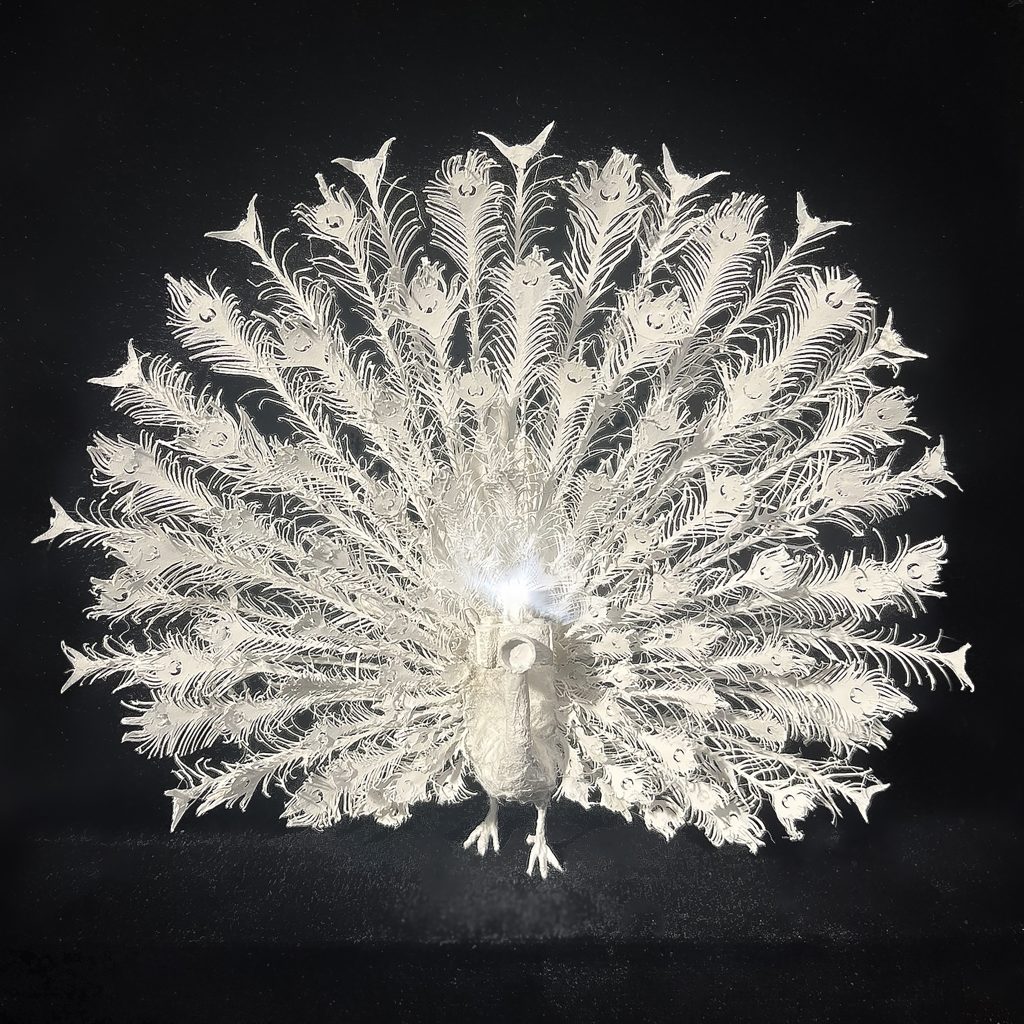
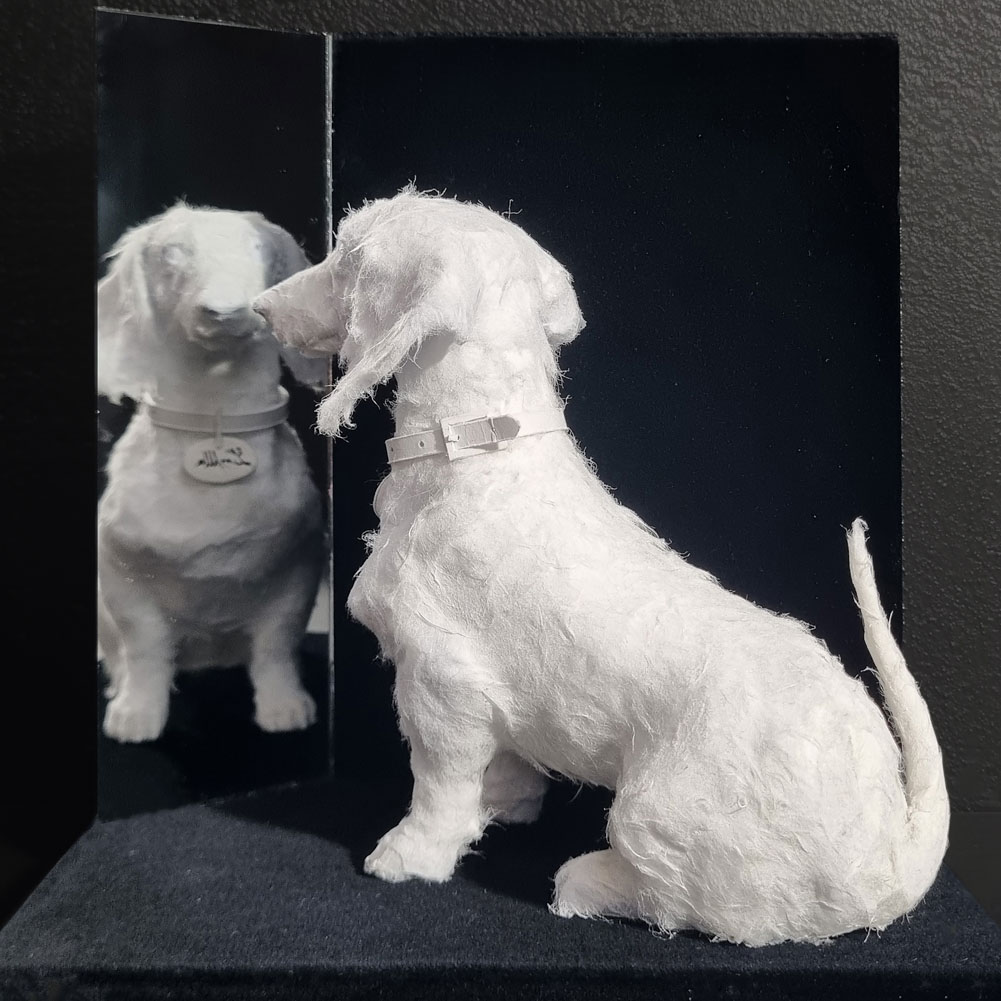
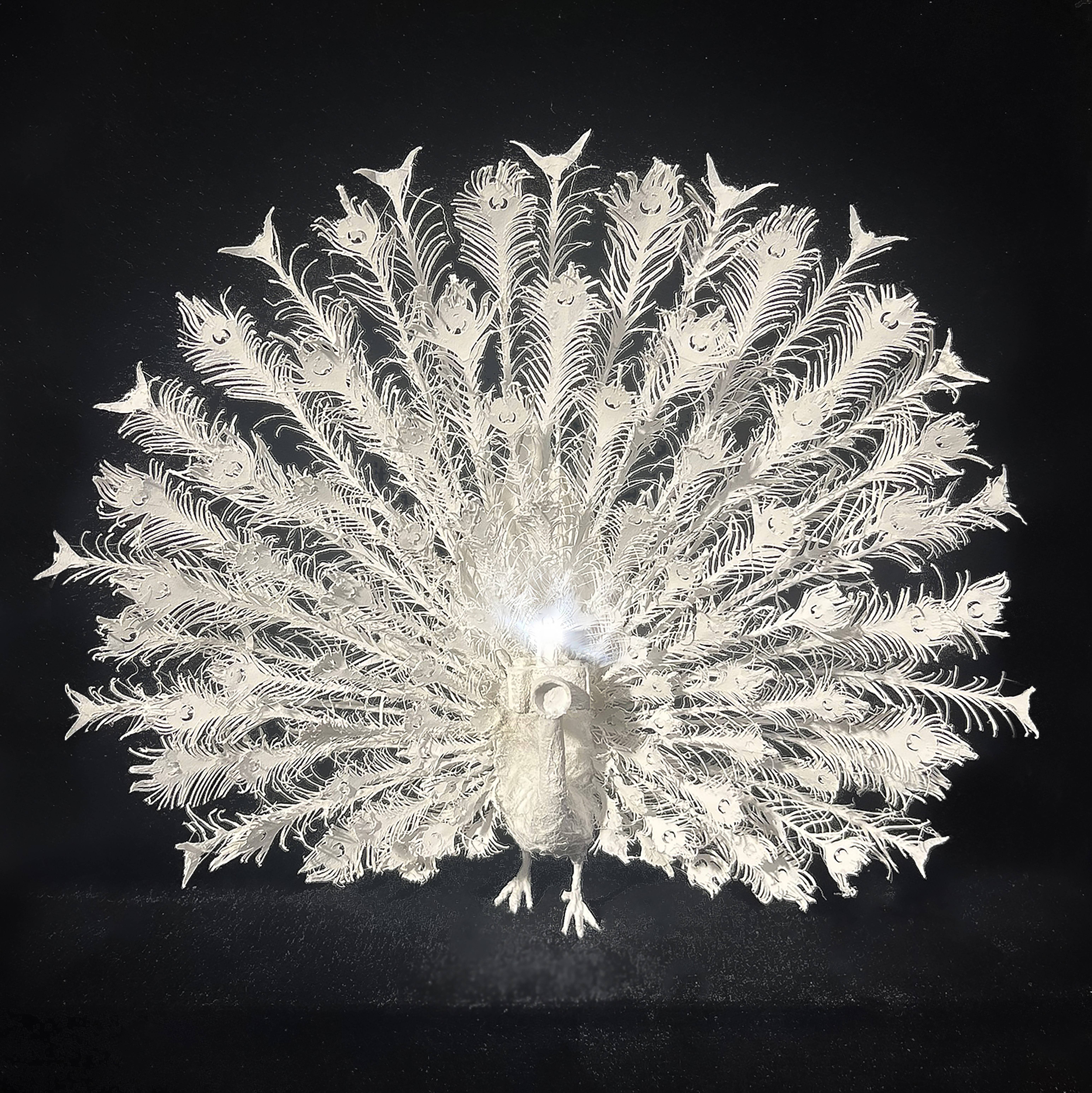
A distinctive element of L’orMa’s practice is the use of different expressive techniques, ranging from installation art and ceramics to manual interventions on vegetal elements. In recent years, however, the medium that most defines his artistic language has been paper, which he uses to create original and refined sculptures capable of challenging the very limits of the material itself.
His works are characterized by their formal rigor, the complexity of their compositions and an almost obsessive perfection of execution. Through a meticulous and highly detailed approach, the artist constructs structures suspended between balance, lightness and tension.
At the center of his research is the theme of progress and the transformation of contemporary society. However, his perspective never takes on the tone of direct accusation; instead, his works become instruments of reflection, inviting viewers to question the relationship between humanity, technology, consumption and change.
The combination of conceptual research and exceptional technical skill places L’orMa among the most distinctive voices in contemporary Italian sculpture.
Who is L’orMa
Lorenzo Mariani was born in Milan in 1985.
In 2007 he graduated with honors from the Brera Academy of Fine Arts and later became assistant to the renowned artistic duo Vedovamazzei. From the very beginning of his career, he entered the contemporary art scene exhibiting his work in galleries, public institutions and private spaces.
Throughout his career he has received important awards, including the VAF Foundation Prize in 2022, the Arteam Cup and the Euromobil Under 30 Prize in 2016, as well as the Premio Cascella and Premio Novara in 2011.
In 2011 the Regione Lombardia commissioned him to create a sculpture for Expo 2015, which is still visible today at the institution’s headquarters.
He regularly participates in national and international art fairs and currently lives and works in Milan, where he continues his artistic research through material experimentation and contemporary reflection.