

Omar Galliani: Drawing, vision and influences between east and renaissance
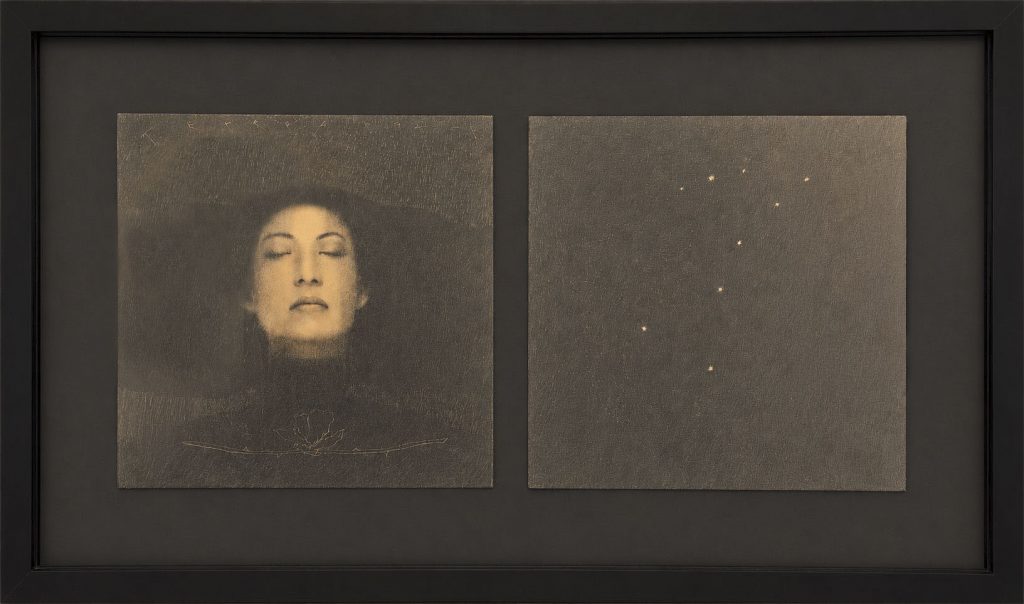
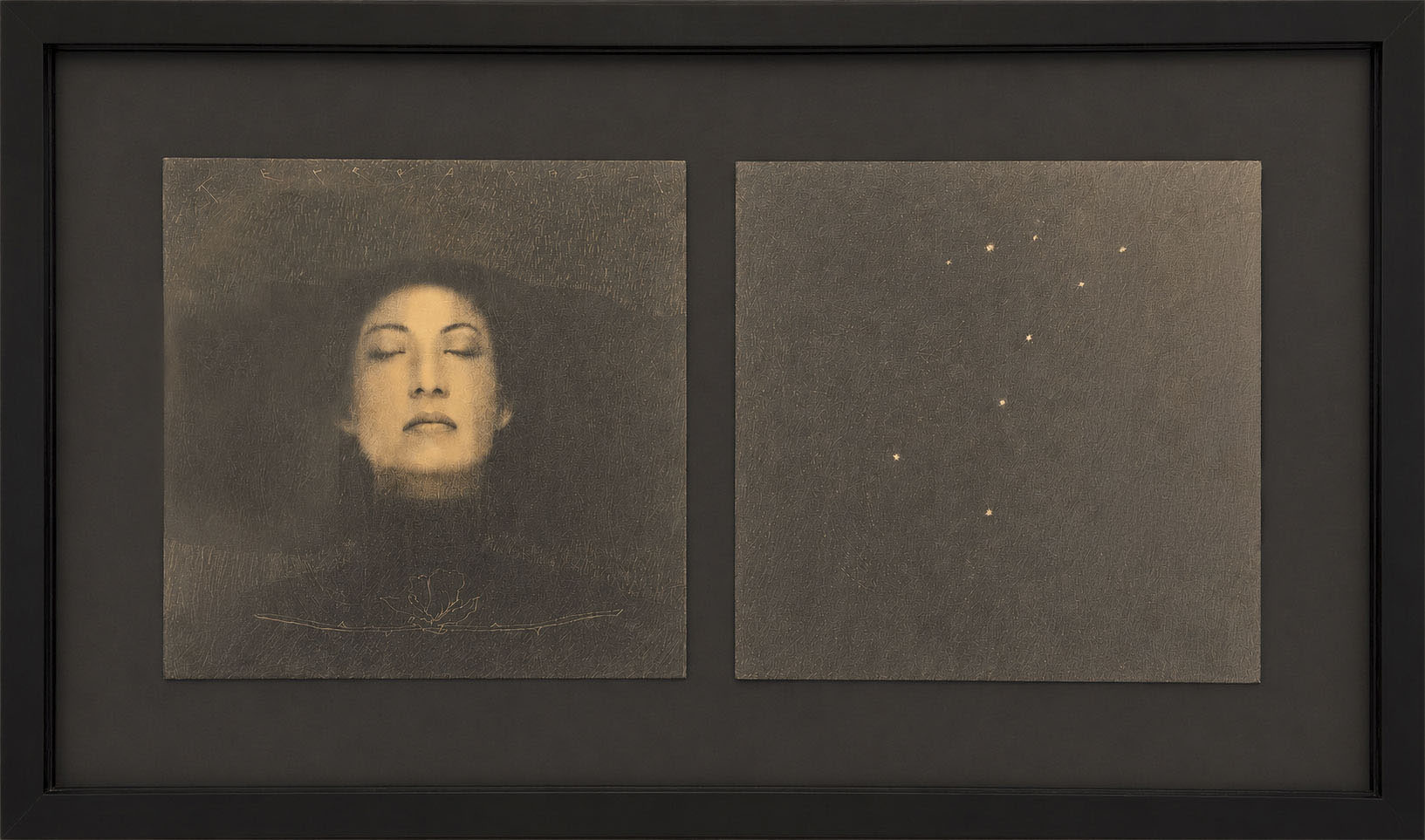
Drawing lies at the heart of Omar Galliani’s artistic research, not simply as a technique but as a true expressive language. In his works, the great Italian figurative tradition meets an intimate, visionary and suspended dimension, creating images in which precision and dissolution, reality and dream are constantly in dialogue.
The art of Omar Galliani
Drawing lies at the heart of Omar Galliani’s artistic research, becoming the medium through which he explores the human figure, memory and the inner world. Since the 1990s, drawing has played a central role in his work, developing through a continuous dialogue with the Italian figurative tradition and, in particular, with the legacy of the great Renaissance masters.
One of the most distinctive aspects of his artistic language is the use of sfumato, a technique associated with Leonardo da Vinci, through which the outlines of figures gradually lose their definition and seem to dissolve into space. Faces and bodies emerge from deep surfaces and undefined atmospheres, appearing suspended between presence and absence, reality and dream.
His imagination is also strongly influenced by Eastern culture, particularly by his travels and experiences in China and Asia. Female figures, faces, flowers, constellations and references to Buddhist tradition become part of his visual world, often appearing within mysterious and nocturnal settings.
Galliani’s work therefore brings together two apparently contrasting dimensions: the precision of drawing and figurative representation on one side, and an imaginative, visionary quality on the other. The accuracy of his lines meets the gradual dissolution of forms, allowing reality to give way to a more silent, symbolic and dreamlike dimension
Who is Omar Galliani
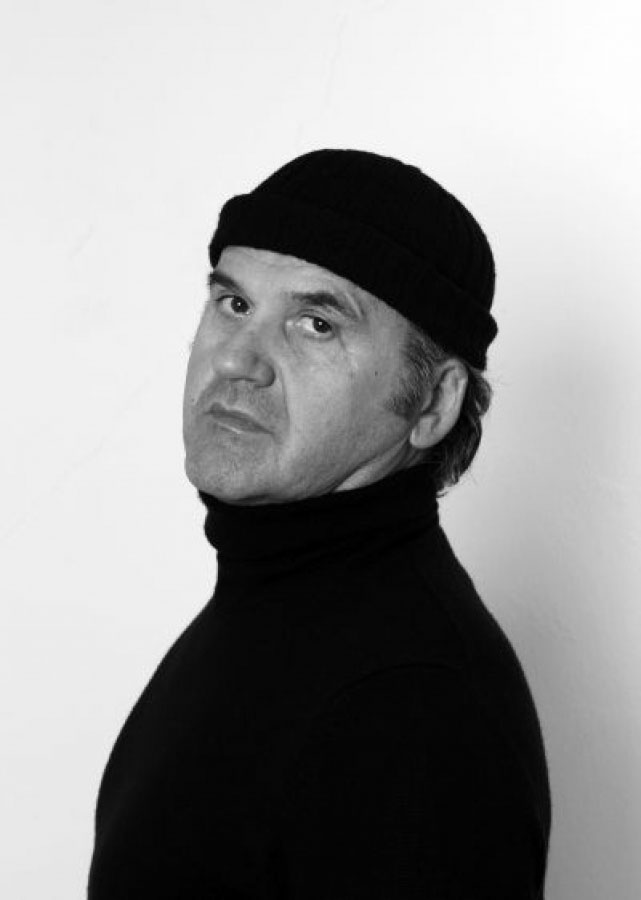
Omar Galliani was born in Montecchio Emilia in 1954, where he lives and works. He studied at the Academy of Fine Arts in Bologna and has combined his artistic research with a career in teaching.
Active on the art scene since the 1980s, he has participated in major international exhibitions, including the Venice Biennale, the São Paulo Biennial, the Paris Biennale and the Rome Quadriennale.
His works are held in prestigious collections, including the Vatican Museums and the Uffizi Galleries in Florence, confirming an artistic career distinguished by the dialogue between figurative tradition, drawing and a visionary dimension.