


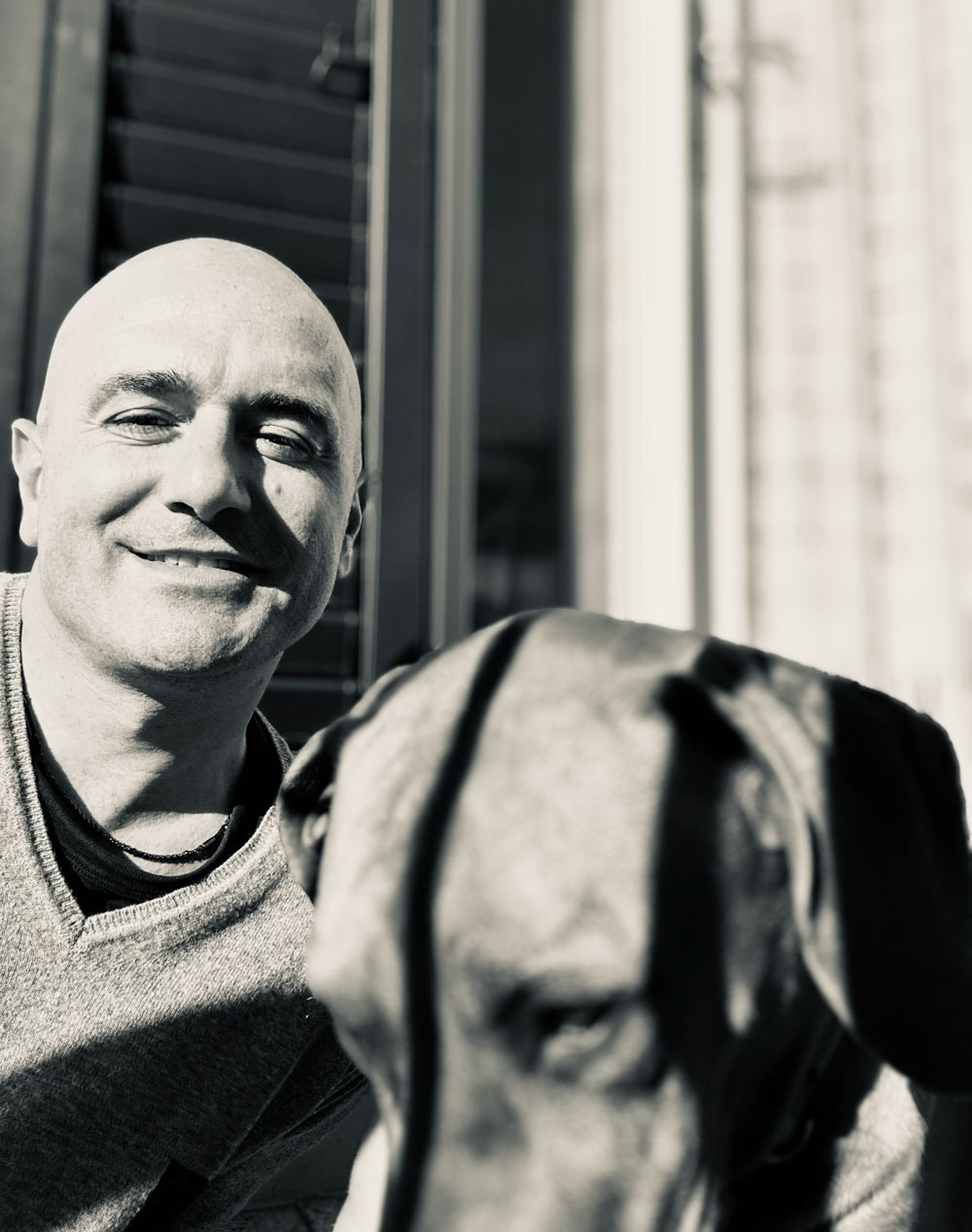
Alessio Vaccari: between light, perception and contemporary figuration
Alessio Vaccari is a contemporary artist whose research originates from a careful observation of reality, developing through figurative painting and a rigorous investigation of light and space. His work focuses on objects and silent presences inhabiting everyday environments, revealing hidden meanings through a slow and meditative process of visual transformation.
The art of Alessio Vaccari
Vaccari’s painterly practice takes shape through an in-depth analysis of reality. The artist isolates elements from their original context, granting them a new identity and demonstrating how, through perception, it is possible to uncover unseen aspects and dimensions often overlooked by the common eye.
Technically, his research is rooted in the figurative tradition, engaging in dialogue with masters such as Vermeer, Chardin, Friedrich, Seurat, Hammershøi, and Giacometti, whose work has significantly shaped his artistic sensibility.
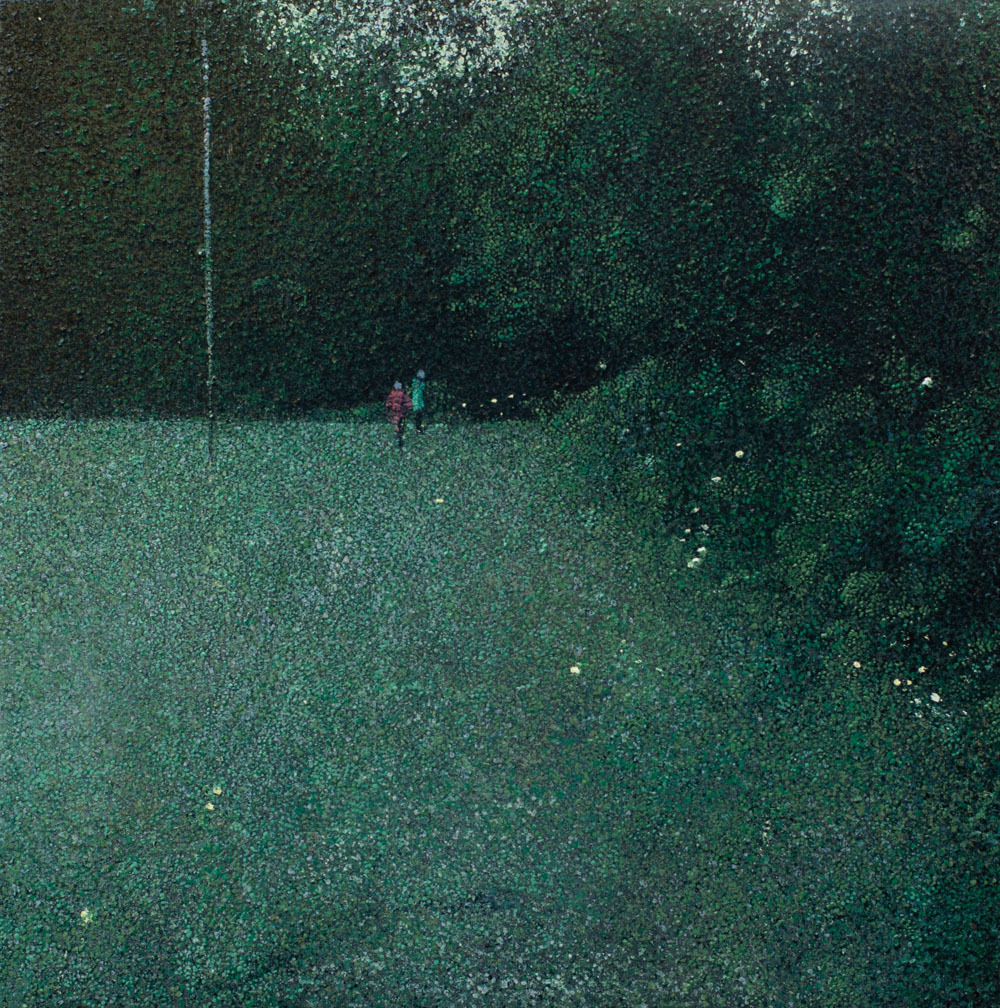
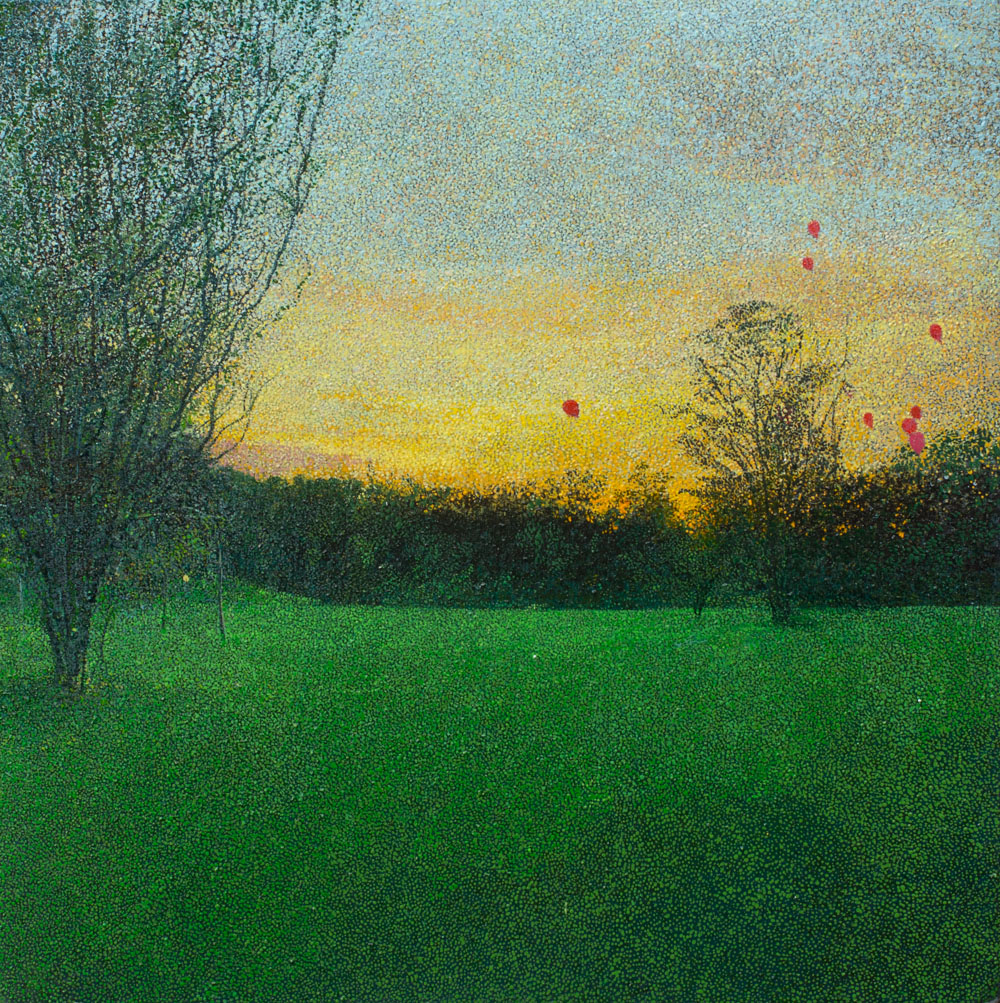
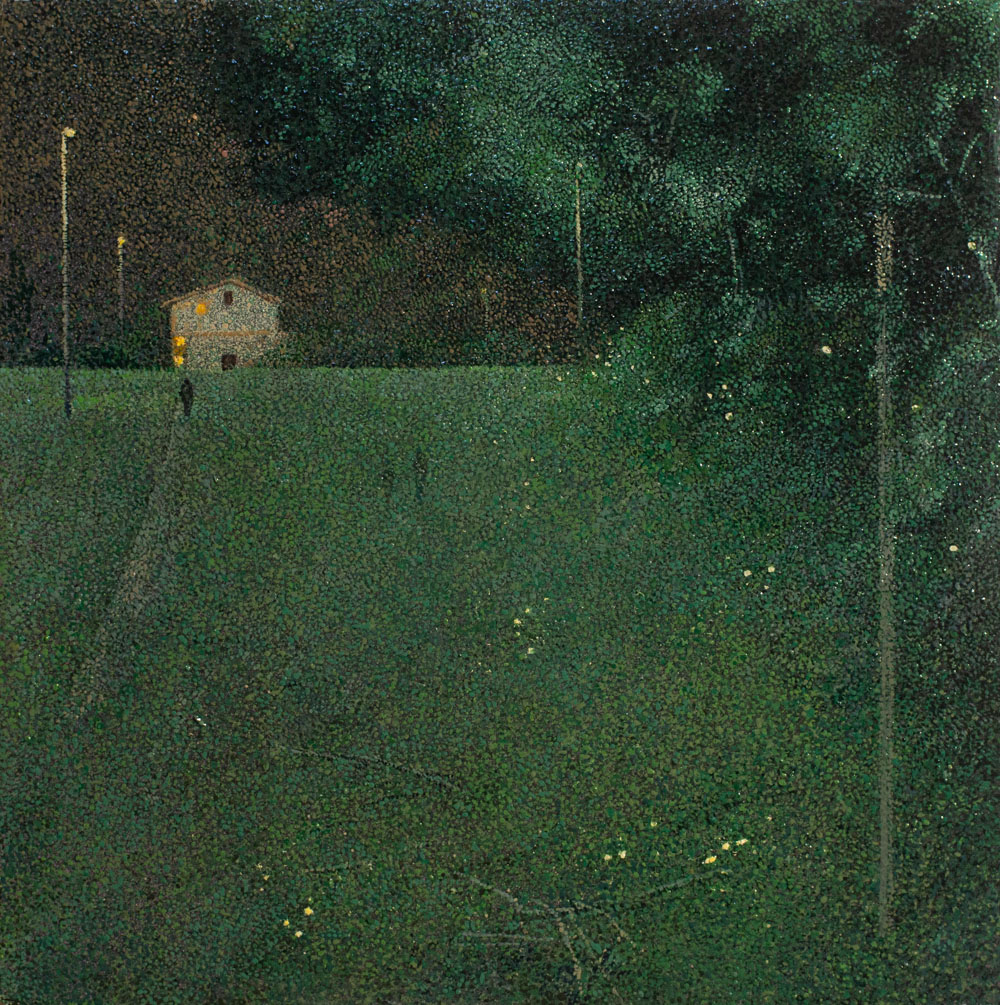
Pointillism represents the core of his technique: through slow, layered brushstrokes, Vaccari constructs images that are carefully studied from both a geometric and chromatic perspective, yet appear suspended and almost ethereal. The result is a rarefied atmosphere, balanced between structural precision and a dreamlike dimension.
Throughout his career, he has held numerous solo and group exhibitions in private galleries across Italy. In 2019, he won the prestigious Combat Prize at the Museo G. Fattori in Livorno, a recognition that consolidates his presence within the Italian contemporary art scene.
Who is Alessio Vaccari
Alessio Vaccari was born in Pisa in 1977, a city rich in history and culture. At a young age, he began his artistic path by enrolling at the Academy of Fine Arts in Florence, where he established the foundations of his training. He later moved to Rome to complete his studies, specializing in decoration and obtaining teaching qualifications in Art History and Art Education.
In 2006, he debuted with his first solo exhibition in a London gallery, marking the beginning of an active exhibition career. He lives and works in Rosignano Solvay, Livorno (Italy), where he continues to develop a practice grounded in observation, light, and perceptual transformation.

